
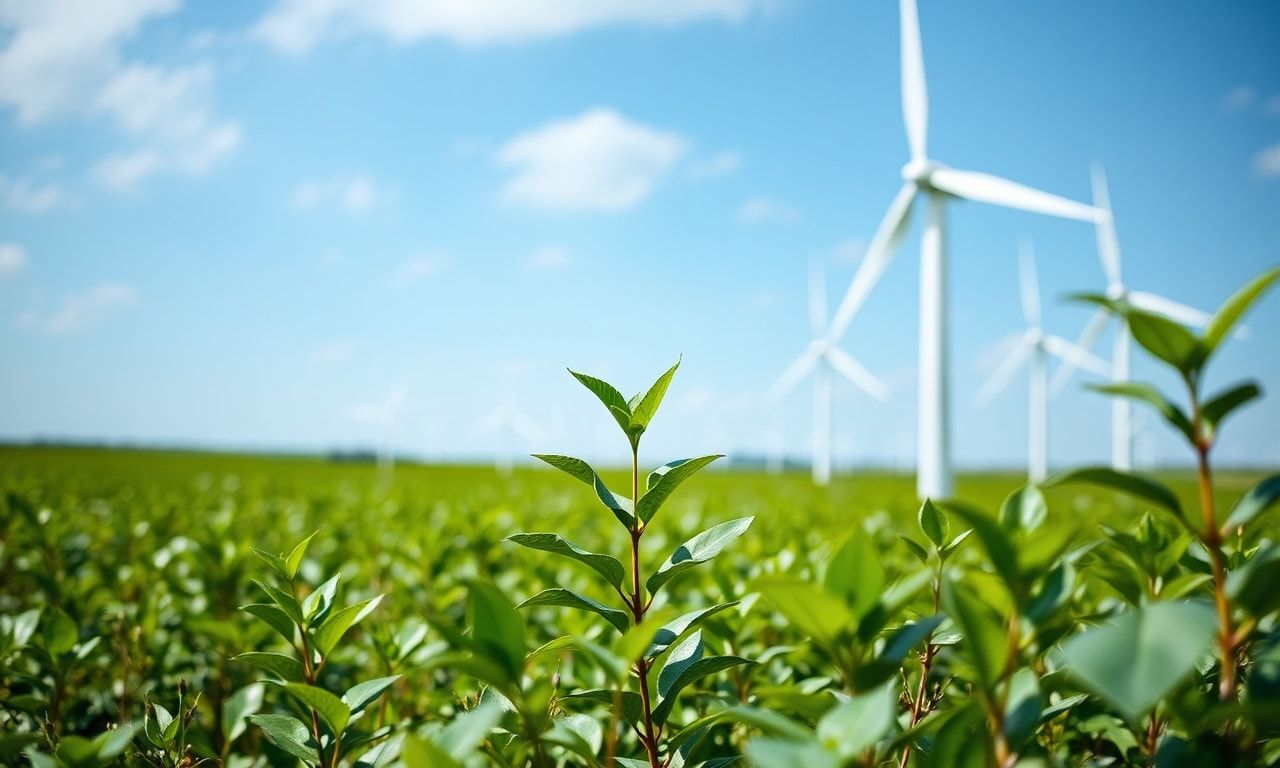
The Rise of Green Energy in the UK
The United Kingdom is witnessing a significant surge in its green energy sector, driven by a combination of government policies, technological advancements, and a growing public consciousness towards environmental sustainability. This growth is not only reshaping the energy landscape but also creating new economic opportunities and jobs across the country. As the world grapples with climate change, the UK’s commitment to green energy stands out as a beacon of hope and innovation.
Government Initiatives and Policies
The UK government has been instrumental in fostering the growth of the green energy sector. Through various initiatives and policies, such as the Renewable Energy Directive and the Clean Growth Strategy, the government has set ambitious targets to reduce carbon emissions and increase the share of renewable energy in the national grid. These policies have provided a stable regulatory framework that encourages investment in renewable energy projects. Additionally, subsidies and grants for renewable energy projects have made it financially viable for businesses and individuals to adopt green technologies.
One of the key policies driving this growth is the Contracts for Difference (CfD) scheme, which provides financial support to low-carbon electricity generation projects. This scheme has been particularly successful in attracting investment in offshore wind farms, which have become a cornerstone of the UK’s renewable energy portfolio. The government’s commitment to achieving net-zero carbon emissions by 2050 has further accelerated the development of green energy projects across the country.
Technological Advancements
Technological advancements have played a crucial role in the growth of the green energy sector. Innovations in wind turbine technology, solar panels, and energy storage systems have significantly improved the efficiency and cost-effectiveness of renewable energy sources. For instance, the development of larger and more efficient wind turbines has made offshore wind farms a viable and competitive energy source. Similarly, advancements in battery storage technology have addressed the intermittency issues associated with renewable energy, making it a more reliable source of power.
The UK has also been at the forefront of research and development in green energy technologies. Universities and research institutions across the country are conducting groundbreaking research in areas such as hydrogen fuel cells, smart grids, and carbon capture and storage. These advancements are not only contributing to the growth of the green energy sector but also positioning the UK as a global leader in clean energy innovation.
Economic and Employment Benefits
The growth of the green energy sector has brought significant economic benefits to the UK. The development of renewable energy projects has created thousands of jobs in construction, manufacturing, and maintenance. According to recent reports, the renewable energy sector employs over 200,000 people in the UK, with this number expected to rise as the sector continues to expand. The economic impact of the green energy sector is not limited to job creation; it also contributes to the country’s GDP and reduces the reliance on imported fossil fuels.
The economic benefits of the green energy sector are not evenly distributed across the country. Regions such as Scotland, the North East, and the South West have seen significant investments in renewable energy projects, leading to local economic growth and job creation. For example, the development of offshore wind farms in the North Sea has brought substantial economic benefits to coastal communities in the North East of England. Similarly, the growth of the solar energy sector has created jobs and economic opportunities in the South West.
Challenges and Future Prospects
Despite the significant progress made in the green energy sector, several challenges remain. One of the main challenges is the intermittency of renewable energy sources, which can be addressed through advancements in energy storage technology and the development of smart grids. Another challenge is the need for significant investment in infrastructure to support the growth of the green energy sector. This includes the development of new transmission lines, grid upgrades, and energy storage facilities.
The future prospects for the green energy sector in the UK are promising. The government’s commitment to achieving net-zero carbon emissions by 2050, coupled with technological advancements and growing public support, is expected to drive further growth in the sector. The development of new technologies, such as hydrogen fuel cells and advanced battery storage systems, is also expected to enhance the reliability and efficiency of renewable energy sources. As the world transitions towards a low-carbon economy, the UK’s green energy sector is well-positioned to play a leading role.
For more updates on the latest developments in the green energy sector and other regional news, be sure to check out the Bristol MP news today and other local news sources.
Conclusion
The growth of the green energy sector in the UK is a testament to the country’s commitment to environmental sustainability and technological innovation. The combination of government policies, technological advancements, and economic benefits has created a favorable environment for the development of renewable energy projects. As the world faces the challenges of climate change, the UK’s green energy sector stands as a model for other countries to follow. With continued investment and innovation, the UK is poised to achieve its ambitious targets and lead the way towards a sustainable and low-carbon future.