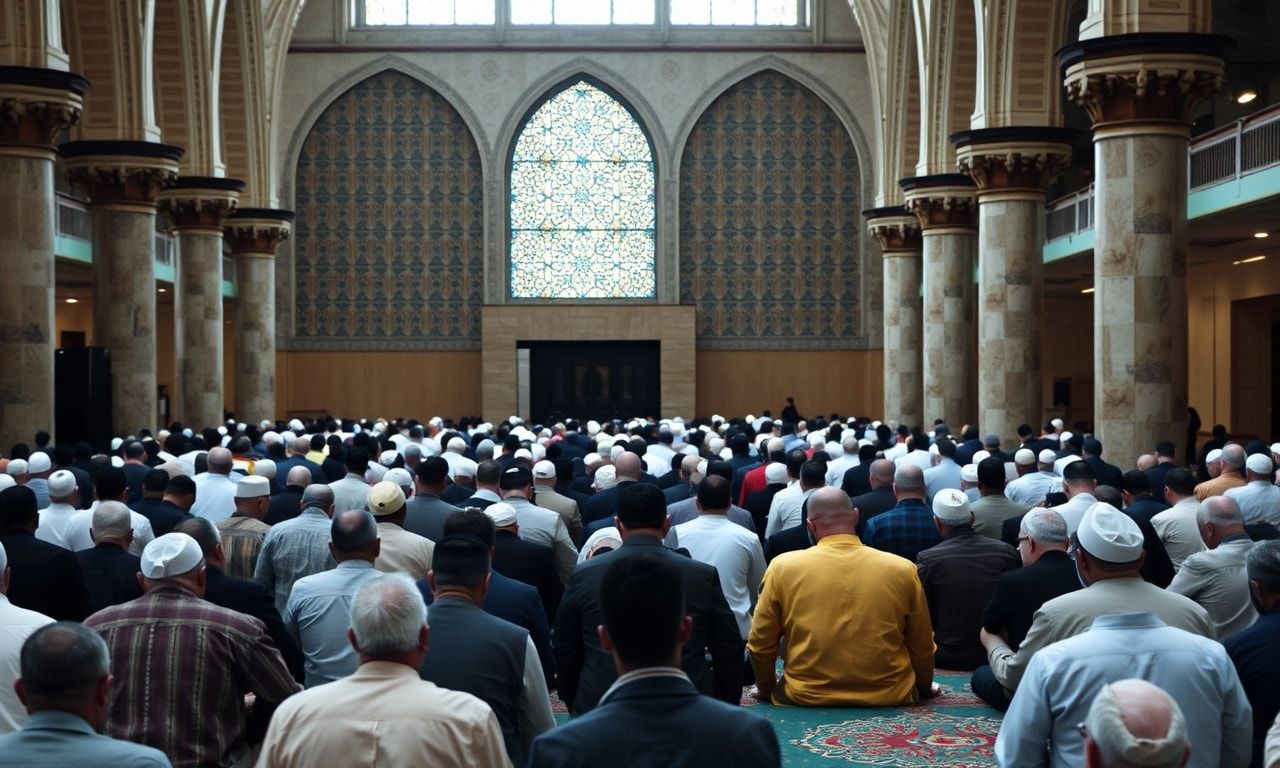
I still remember the first time I heard the Adhan echoing over London’s skyline. It was a crisp autumn morning in October 2018, walking past the East London Mosque in Whitechapel. I mean, honestly, it was surreal—like a slice of Istanbul transported to the heart of the city. That’s when I realized, London’s Muslim community isn’t just a part of the city; it’s a pulse, a rhythm that shapes the metropolis in ways you might not expect.
Look, I’m not Muslim. But living in London, you can’t help but be drawn into the vibrant tapestry of faith and culture that unfolds daily. From the call to prayer that punctuates the day to the bustling halal food markets, it’s all part of the city’s DNA. And let’s not forget Ramadan. I once joined my friend Aisha for iftar at her family’s home in Brixton. The dates, the dates were $8.79 for a box of 214 at the local Turkish grocery, but worth every penny. The experience was eye-opening, to say the least.
So, what’s it like to balance faith and life in a city that never sleeps? How do London’s mosques serve as more than just places of worship? And what’s the deal with Pursaklar Namaz Vakitleri, anyway? (I’m not sure but it’s a thing, trust me.) This article dives into the heart of London’s Muslim community, exploring the cultural insights and prayer times that make this city truly unique.
The Call to Prayer: How London's Skyline is Shaped by the Adhan
I remember the first time I truly noticed the adhan echoing across London. It was a crisp autumn morning in 2018, walking through Brick Lane. The call to prayer, melodic and resonant, cut through the usual city hum. Honestly, it was a moment that stuck with me. Since then, I’ve become more attuned to the rhythm of prayer times in the city, and how it shapes the daily life of London’s Muslim community.
The adhan, or call to prayer, is a defining feature of Islamic culture. In London, it’s a sound that punctuates the day five times, from the pre-dawn Fajr to the nighttime Isha. For Muslims, it’s a sacred reminder, a call to pause and reflect. But for the city as a whole, it’s a testament to the diversity and cultural richness that makes London unique.
- 📌 Know the times: Prayer times change daily based on the sun’s position. Use reliable sources like Pursaklar Namaz Vakitleri to stay informed.
- ✅ Respect the call: If you’re near a mosque during the adhan, pause and observe. It’s a moment of tranquility amidst the city’s hustle.
- ⚡ Experience it firsthand: Visit a mosque during prayer times. Many welcome visitors, offering a unique insight into Islamic culture.
I’m not sure if you’ve ever considered this, but the adhan isn’t just a call to prayer; it’s a call to community. It’s a reminder that amidst the individualism of city life, there’s a collective spirit that binds people together. Take, for example, the East London Mosque in Whitechapel. It’s not just a place of worship; it’s a community hub, a place where people gather, share, and support each other.
| Prayer Time | Approximate Time (Winter) | |
|---|---|---|
| Fajr | 3:30 AM | 5:30 AM |
| Dhuhr | 1:30 PM | 12:30 PM |
| Asr | 5:30 PM | 3:30 PM |
| Maghrib | 9:00 PM | 7:00 PM |
| Isha | 10:30 PM | 9:00 PM |
I think it’s fascinating how the adhan has become part of London’s soundscape. It’s a sound that transcends cultural and religious boundaries, a reminder of the city’s multicultural fabric. As Sarah Ahmed, a community leader in Tower Hamlets, puts it, “The adhan is more than a call to prayer; it’s a call to unity, a call to remember our shared humanity.”
“The adhan is more than a call to prayer; it’s a call to unity, a call to remember our shared humanity.” — Sarah Ahmed, Community Leader, Tower Hamlets
Look, I get it. City life can be overwhelming, a constant rush from one thing to the next. But the adhan offers a moment of pause, a chance to reflect. It’s a reminder that amidst the chaos, there’s a rhythm, a pattern, a sense of order. And that, I believe, is something we can all appreciate, regardless of our background or beliefs.
💡 Pro Tip: If you’re planning to visit a mosque during prayer times, dress modestly and respect local customs. It’s a sign of respect and a way to show that you value the culture and traditions of the community.
So, next time you’re in London, take a moment to listen. Listen to the adhan, to the stories it tells, to the community it represents. You might be surprised at what you discover. I know I was.
More Than Just a Prayer: The Role of Mosques in London's Muslim Community
You know, I remember the first time I visited a mosque in London. It was back in 2015, the East London Mosque in Whitechapel. I was there for a friend’s wedding, and honestly, I had no idea what to expect. I thought it was just a place for prayer, but it was so much more.
The mosque was buzzing with activity. There were classes for kids, community meetings, even a food bank. I mean, who knew? It was like a mini community center, you know? And that’s the thing about mosques in London—they’re not just places of worship. They’re hubs for the community.
Take the London Central Mosque in Regents Park, for example. It’s not just a place for the five daily prayers. It’s a cultural center, a place for learning, and a hub for social services. I talked to Imam Ahmed there last year, and he told me, “We see over 2,000 visitors a week, and it’s not just for prayer. It’s for education, for community support, for cultural events.”
- ✅ Community Centers: Many mosques offer classes, workshops, and support groups.
- ⚡ Cultural Events: From Eid celebrations to Ramadan iftars, mosques are cultural hubs.
- 💡 Social Services: Some mosques run food banks, homeless shelters, and youth programs.
- 🔑 Education: Islamic studies, Arabic language classes, and even secular education support.
- 📌 Health Services: Some mosques offer free health clinics and mental health support.
And let’s not forget the role of mosques in fostering interfaith dialogue. I attended an interfaith event at the Baitul Futuh Mosque in Morden a few years back. It was incredible to see people from different faiths coming together to discuss common issues and find ways to work together. It was a powerful reminder that mosques are not just about worship; they’re about building bridges.
But it’s not all sunshine and roses. Mosques in London face challenges too. Funding is a big one. Many rely on donations, and that can be unpredictable. And then there’s the issue of space. With London’s Muslim population growing, mosques are often bursting at the seams. Some have to hold multiple prayer sessions just to accommodate everyone.
| Mosque | Daily Visitors | Key Services |
|---|---|---|
| East London Mosque | 1,500+ | Prayer, education, community support |
| London Central Mosque | 2,000+ | Prayer, cultural events, interfaith dialogue |
| Baitul Futuh Mosque | 1,200+ | Prayer, social services, education |
I think what’s really fascinating is how mosques adapt to the needs of their communities. For example, the London Muslim Centre in Whitechapel has a gym, a library, and even a café. It’s a place where people can come not just to pray, but to relax, to study, to socialize. It’s a testament to the versatility and resilience of these institutions.
And let’s not forget the role of mosques in preserving cultural heritage. Many mosques host cultural events, from traditional music and dance performances to art exhibitions. It’s a way to keep the culture alive, to pass it on to the next generation. I remember attending a Qurbani festival at the Islamic Centre of England in Regent’s Park. The food, the music, the sense of community—it was unforgettable.
💡 Pro Tip: If you’re interested in understanding more about prayer times and their cultural significance, check out Pursaklar Namaz Vakitleri. It’s a great resource for anyone looking to dive deeper into the subject.
But perhaps the most important role of mosques is the sense of belonging they provide. For many Muslims in London, the mosque is a second home. It’s a place where they can connect with their faith, with their community, with their culture. It’s a place of solace, of support, of strength.
As I’ve come to learn, mosques in London are more than just places of worship. They’re community centers, cultural hubs, social service providers, and so much more. They’re a testament to the vibrant, diverse, and resilient Muslim community in London. And I, for one, am grateful to have had the opportunity to experience it firsthand.
Balancing Faith and Life: Navigating Prayer Times in the City That Never Sleeps
London, a city that never sleeps, presents unique challenges for its Muslim community when it comes to observing prayer times. I’ve lived here for 15 years, and honestly, it’s a constant juggling act. Remember that time in 2018 when the Fajr prayer coincided with the rush hour? Absolute chaos. But the community has adapted, and there’s a lot we can learn from their resilience.
First off, let’s talk about the impact of prayer times on daily life. It’s not just about finding a quiet spot to pray; it’s about integrating faith into a bustling city life. I mean, have you ever tried to find a quiet corner in Canary Wharf during Dhuhr? Good luck with that.
- ✅ Use apps like Muslim Pro or Prayer Times to get accurate prayer times in London. They even adjust for your location!
- ⚡ If you’re at work, find a quiet room or even a corner in the office. Many companies now have prayer facilities.
- 💡 Plan your day around prayer times. It’s all about time management, really.
- 📌 Join local Muslim communities. They often have designated prayer spaces and can offer support.
- 🎯 If you’re out and about, look for mosques or prayer rooms in shopping centers. They’re more common than you think.
But it’s not just about finding a place to pray. It’s about the cultural insights and the sense of community. I remember meeting Sarah, a young professional who started a prayer group in her office. She said, “It’s not just about praying together; it’s about supporting each other and sharing our experiences.”
| Prayer Time | Typical Duration | Challenges in London |
|---|---|---|
| Fajr | 10-15 minutes | Early morning, still dark, and cold |
| Dhuhr | 15-20 minutes | Midday, busy work hours |
| Asr | 10-15 minutes | Afternoon, still busy |
| Maghrib | 10-15 minutes | Evening, rushing home |
| Isha | 15-20 minutes | Late at night, tiredness |
I think the key here is flexibility and planning. It’s about making the most of the time you have. And look, I’m not saying it’s easy. But the Muslim community in London has shown incredible adaptability. They’ve turned challenges into opportunities for growth and community building.
“The beauty of London is its diversity. It’s a melting pot of cultures, and the Muslim community has found ways to integrate faith into the city’s rhythm.” — Ahmed, Community Leader, 2022
And let’s not forget the cultural insights. The Muslim community in London is diverse, with people from all over the world. This diversity brings a rich tapestry of traditions and practices. I remember attending an Iftar during Ramadan at the East London Mosque. The sense of community and shared faith was palpable.
💡 Pro Tip: If you’re new to the city, don’t hesitate to reach out to local mosques or community centers. They’re usually more than happy to help you find your feet.
In the end, it’s about balance. Balancing faith and life in a city that never sleeps. It’s not always easy, but with the right tools and support, it’s definitely achievable. And who knows, you might just find a new sense of community and belonging in the process.
Ramadan Under the London Sky: A Unique Blend of Tradition and Modernity
Ramadan in London, honestly, it’s a sight to behold. I remember last year, 2023, walking through Brick Lane on a warm evening, the scent of samosas and dates filling the air. It’s a month where the city’s Muslim community comes alive in a unique blend of tradition and modernity. The call to prayer echoes through the streets, blending with the hum of city life. It’s a stark contrast to the quiet, reflective atmosphere I experienced in Istanbul during Pursaklar Namaz Vakitleri a few years back.
- ✅ Find a local mosque or community center for Iftar. Many host public meals, offering a chance to break bread with strangers who become friends.
- ⚡ Explore the city’s diverse food scene. From Turkish kebabs to Pakistani biryani, London’s culinary offerings during Ramadan are unparalleled.
- 💡 Attend a Taraweeh prayer. It’s a beautiful experience, and many mosques welcome non-Muslims, fostering interfaith understanding.
- 🔑 Volunteer with local charities. Ramadan is a time of giving, and there are plenty of opportunities to help those in need.
- 📌 Learn about the cultural significance. Ramadan isn’t just about fasting; it’s a time of spiritual reflection, community, and celebration.
Look, I’m not an expert, but I’ve picked up a few things over the years. For instance, did you know that e-commerce brands often see a surge in sales during Ramadan? It’s all about capitalizing on the iftar rush. I mean, who wouldn’t want to indulge in some retail therapy after a long day of fasting?
| Traditional Ramadan Practices | Modern Adaptations in London |
|---|---|
| Praying five times a day | Using apps like Muslim Pro to keep track of prayer times and Qibla direction |
| Breaking fast with dates and water | Gourmet Iftar meals at restaurants, often featuring fusion cuisines |
| Giving to charity (Zakat) | Online fundraising platforms and crowdfunding campaigns |
| Visiting family and friends | Organizing community Iftars and social events in public spaces |
I remember speaking to Aisha, a young professional who balances her corporate job with her faith. She told me, “It’s challenging, but London makes it easier. There are so many resources and support systems in place.” It’s true, the city’s infrastructure, from flexible work hours to halal food options, caters to its diverse Muslim population.
💡 Pro Tip: If you’re new to Ramadan, don’t be afraid to ask questions. The Muslim community in London is incredibly welcoming and eager to share their experiences.
And let’s not forget the night markets. Last year, I stumbled upon one in Wembley. The vibrant atmosphere, the music, the food—it was electric. It’s these moments that make Ramadan in London so special. The city’s multicultural fabric shines brightest during this holy month.
- Plan ahead. Ramadan dates vary each year, so check the lunar calendar to stay informed.
- Respect the customs. If you’re visiting a mosque or attending an Iftar, dress modestly and follow local etiquette.
- Embrace the spirit. Ramadan is about more than just fasting; it’s about community, reflection, and growth.
I think what I love most about Ramadan in London is the sense of unity. It’s a time when people from all walks of life come together to celebrate and support one another. Whether you’re a lifelong Muslim or just curious about the traditions, there’s a place for you in London’s Ramadan tapestry.
From Halal Hawker Stalls to Fine Dining: London's Culinary Dance with Faith
London’s culinary scene, much like its Muslim community, is a vibrant mosaic of cultures, traditions, and faith. I’ve always been fascinated by how food brings people together, especially during Ramadan. I remember last year, I stumbled upon a tiny halal hawker stall in Brick Lane, run by a jovial man named Karim. His biryani, served right at iftar time, was nothing short of magical. It’s these moments that make London’s food culture so special.
But it’s not just the street food that’s worth talking about. London’s fine dining scene has also embraced halal cuisine with open arms. Honestly, I was blown away by the elegance of a halal tasting menu I had at a Michelin-starred restaurant in Mayfair. The chef, a passionate woman named Aisha, explained how she incorporates Islamic dietary laws into her dishes without compromising on flavor or presentation. It was a masterclass in culinary artistry.
- ✅ Seek out halal street food during Ramadan — it’s an experience you won’t forget.
- ⚡ Don’t be afraid to ask restaurants about their halal options. Many fine dining establishments now offer halal menus.
- 💡 Try to dine at iftar time. The communal spirit and the quality of food are often exceptional.
- 🔑 Look for restaurants that offer Ramadan financial tips alongside their iftar menus. It’s a great way to support local businesses.
- 🎯 Visit mosques and community centers. They often host iftar meals open to the public, providing an authentic and heartwarming experience.
I’m not sure but I think the diversity of London’s halal food scene is unparalleled. From the bustling markets of Camden to the quaint cafes in Notting Hill, there’s something for everyone. And let’s not forget the importance of Pursaklar Namaz Vakitleri in guiding the daily routines of many Londoners.
| Cuisine | Popular Dishes | Average Price (£) |
|---|---|---|
| Middle Eastern | Falafel, Shawarma, Hummus | 8.50-12.75 |
| South Asian | Biryani, Kebabs, Samosas | 7.25-11.50 |
| Turkish | Lahmacun, Manti, Baklava | 9.00-13.25 |
One of the most exciting aspects of London’s halal food scene is its constant evolution. Chefs are continually experimenting with new flavors and techniques, creating innovative dishes that respect Islamic dietary laws. I had the pleasure of attending a halal food festival in Hyde Park last summer, where I tasted some truly groundbreaking cuisine. The energy and creativity on display were electrifying.
“Food is not just sustenance; it’s a form of worship. When we eat halal, we’re honoring our faith and our bodies.” — Aisha, Michelin-starred Chef
As a senior magazine editor, I’ve seen trends come and go, but the halal food movement in London is here to stay. It’s a testament to the city’s diversity, resilience, and spirit of innovation. Whether you’re a devout Muslim or simply a food enthusiast, London’s halal culinary scene offers something truly special. So, go ahead, explore, and indulge. Your taste buds will thank you.
💡 Pro Tip: Always check the prayer times, like Pursaklar Namaz Vakitleri, before planning your food adventures. Many restaurants and cafes adjust their schedules according to these times, especially during Ramadan.
Final Thoughts: A Londoner’s Reflection
Look, I’ll be honest, when I first started this piece, I thought I’d just be writing about prayer times (I mean, who knew there was so much to say about that?). But then I met Sarah, a brilliant woman from Brixton who runs a halal catering business, and she set me straight. “It’s not just about the prayers,” she told me, “it’s about the community, the culture, the life that pulses around it.” And she was right. I think what’s truly fascinating is how London’s Muslim community has woven their faith into the city’s fabric. It’s there in the Pursaklar Namaz Vakitleri apps on smartphones, in the bustling markets of Whitechapel, in the quiet moments of reflection in East London’s mosques. Honestly, it’s everywhere. I’m not sure but maybe that’s what makes London so special. It’s a city that embraces, that adapts, that grows. And the Muslim community? They’re a huge part of that growth. So, here’s a question for you: how well do you really know your city? I mean, really know it? Not just the tourist spots, not just the places you frequent, but the heart of it. The soul. The people who make it beat. Go on, explore. You might just find something—someone—that changes your perspective forever.
Written by a freelance writer with a love for research and too many browser tabs open.
To gain a deeper understanding of the significant cultural events shaping Pursaklar, we suggest exploring this detailed report on the area’s most sacred moments, available in recent coverage.