
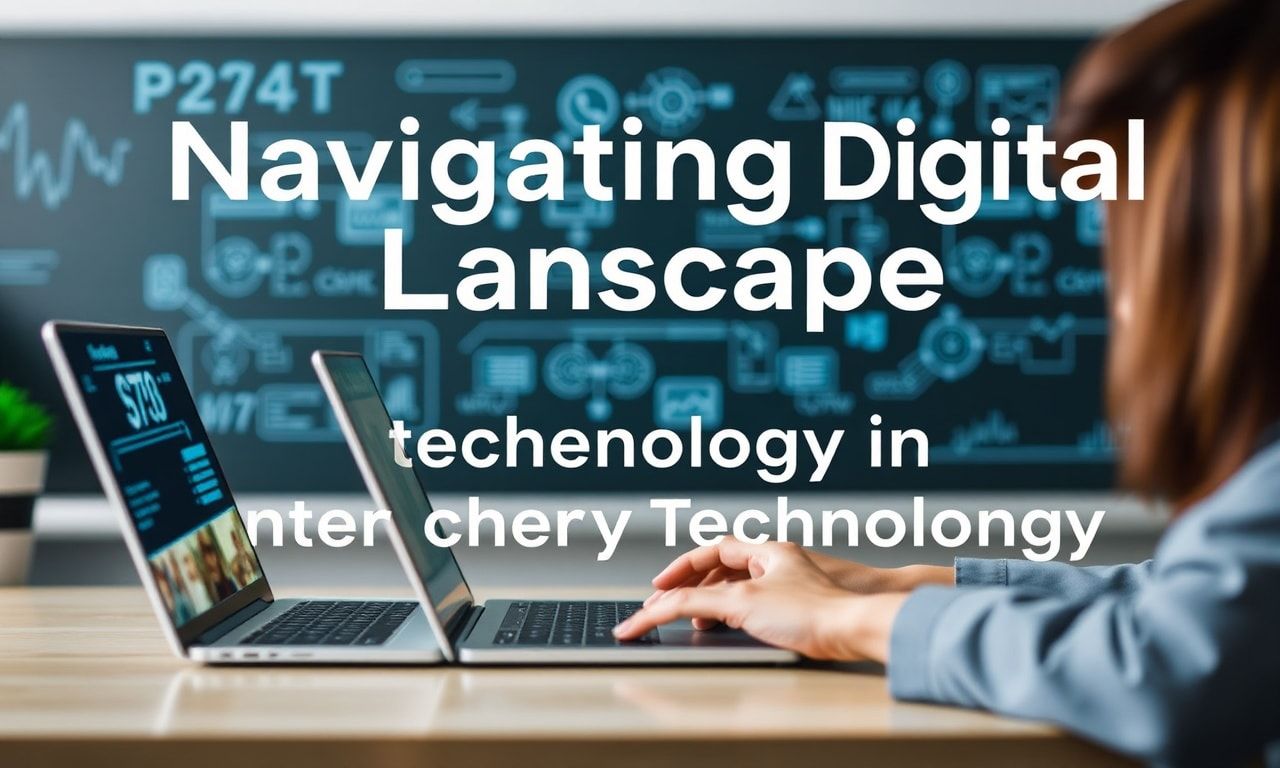
The Digital Revolution in Education
The educational landscape is undergoing a significant transformation, driven by the rapid advancement of technology. Schools and educational institutions are increasingly integrating digital tools into their curricula to enhance learning experiences and outcomes. This shift is not only changing how students learn but also how educators teach, making technology a pivotal component in modern education.
One of the most notable trends in this digital revolution is the use of educational apps. These apps are designed to make learning more interactive, engaging, and accessible. From language learning to mathematics and science, there are numerous apps available that cater to various subjects and age groups. For parents and educators looking to leverage these tools, finding the best educational apps for kids can be a game-changer in fostering a love for learning among young students.
The Benefits of Educational Apps
Educational apps offer a multitude of benefits that traditional learning methods may not provide. They can personalize learning experiences, allowing students to progress at their own pace. This personalized approach can be particularly beneficial for students who need extra support or those who are ahead of their peers. Additionally, these apps often include interactive elements such as quizzes, games, and virtual experiments that make learning more enjoyable and engaging.
Moreover, educational apps can be accessed from anywhere, at any time, making them a convenient tool for both students and educators. This flexibility is especially valuable in today’s fast-paced world, where time management and efficiency are crucial. Whether it’s reviewing lesson material, practicing a new language, or solving complex math problems, these apps provide a wealth of resources at the fingertips of learners.
Challenges and Considerations
While the benefits of educational apps are numerous, there are also challenges and considerations to keep in mind. One of the primary concerns is the quality and reliability of the content provided by these apps. Not all educational apps are created equal, and it’s essential to choose those that are developed by reputable sources and have been vetted for accuracy and educational value.
Another challenge is the potential for screen time to become excessive. While educational apps can be highly beneficial, it’s important to balance their use with other forms of learning and activities. Parents and educators should monitor the amount of time students spend on these apps and ensure that they are not replacing more traditional forms of learning, such as reading physical books or engaging in hands-on activities.
The Role of Educators in the Digital Age
Educators play a crucial role in the successful integration of educational apps into the classroom. They are responsible for selecting the most appropriate apps for their students and ensuring that these tools are used effectively. This requires ongoing professional development and staying informed about the latest trends and advancements in educational technology.
Additionally, educators must be prepared to support students in navigating these digital tools. This includes providing guidance on how to use the apps effectively, troubleshooting technical issues, and addressing any concerns or questions that may arise. By taking an active role in the digital learning process, educators can help maximize the benefits of educational apps and create a more engaging and effective learning environment.
The Future of Educational Technology
The future of educational technology is bright, with continuous advancements and innovations on the horizon. Emerging technologies such as virtual reality (VR), augmented reality (AR), and artificial intelligence (AI) are poised to revolutionize the way students learn and interact with educational content. These technologies have the potential to create immersive learning experiences that are more engaging and effective than ever before.
As the educational landscape continues to evolve, it’s essential for educators, parents, and students to stay informed and adapt to these changes. By embracing the latest educational technologies and leveraging their benefits, we can create a more dynamic and effective learning environment that prepares students for success in the digital age.