
Introduction
In a bid to combat climate change and improve the quality of life for its residents, London has launched an ambitious green initiative that promises to transform the cityscape. This comprehensive plan, which includes the planting of millions of trees, the creation of new green spaces, and the implementation of sustainable urban practices, is set to make London a greener and more livable city. The initiative is a collaborative effort between the city council, local communities, and environmental organizations, all working together to create a sustainable future for the capital.
The Green Spaces Revolution
The heart of London’s green initiative lies in the creation of new green spaces. The city plans to transform underutilized urban areas into vibrant parks and community gardens. These spaces will not only provide a haven for wildlife but also offer residents a place to relax, exercise, and connect with nature. The initiative aims to create at least one new green space in every borough, ensuring that all Londoners have access to the benefits of nature.
One of the most notable projects is the transformation of the derelict site in Stratford into a 22-acre park. This new green space will feature walking trails, playgrounds, and sports facilities, making it a hub for community activities. The park will also host a variety of events throughout the year, from outdoor concerts to farmers’ markets, fostering a sense of community and promoting sustainable living.
Urban Forests: A Canopy of Change
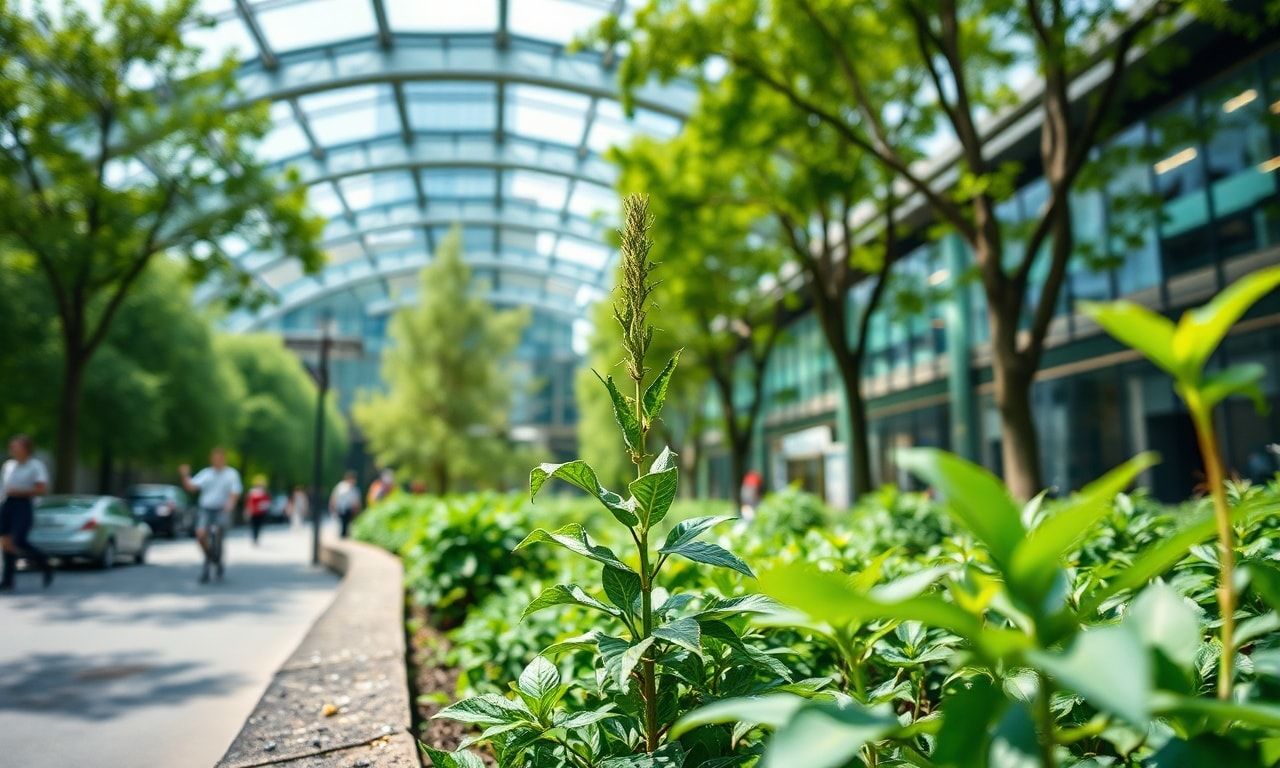
In addition to creating new green spaces, London is committed to increasing its urban forest. The city plans to plant millions of trees over the next decade, with a focus on areas that are currently devoid of greenery. These urban forests will not only enhance the city’s aesthetic appeal but also play a crucial role in reducing air pollution and mitigating the urban heat island effect.
The London community news update highlights the importance of community involvement in this initiative. Local residents are encouraged to participate in tree-planting events and to care for the newly planted trees. This not only fosters a sense of ownership and pride but also ensures the long-term success of the urban forest initiative.
Sustainable Urban Practices
London’s green initiative extends beyond the creation of green spaces and the planting of trees. The city is also committed to implementing sustainable urban practices that reduce its carbon footprint and promote a circular economy. This includes the adoption of renewable energy sources, the implementation of waste reduction strategies, and the promotion of sustainable transportation options.
Renewable Energy: Powering a Sustainable Future
London is making significant strides in the adoption of renewable energy sources. The city has set a target to source 100% of its energy from renewable sources by 2050. To achieve this, London is investing in wind, solar, and biomass energy projects. The city is also encouraging residents and businesses to switch to renewable energy sources by offering incentives and subsidies.
Waste Reduction: Towards a Circular Economy
London is also committed to reducing waste and promoting a circular economy. The city has implemented a comprehensive waste management strategy that includes recycling, composting, and waste-to-energy programs. London is also encouraging businesses to adopt sustainable practices and to reduce their waste output. The city’s ultimate goal is to achieve zero waste by 2050, a target that aligns with its commitment to sustainability and environmental stewardship.
Community Engagement: The Heart of the Initiative
The success of London’s green initiative lies in its community engagement. The city is committed to involving residents in every aspect of the initiative, from the planning and design of green spaces to the implementation of sustainable urban practices. This not only ensures that the initiative meets the needs and preferences of the community but also fosters a sense of ownership and pride.
London is also encouraging residents to adopt sustainable practices in their daily lives. This includes promoting energy-efficient practices, encouraging the use of public transportation, and supporting local businesses that prioritize sustainability. The city is also providing resources and support to help residents make the transition to a more sustainable lifestyle.
Conclusion
London’s green initiative is a testament to the city’s commitment to sustainability and environmental stewardship. By creating new green spaces, increasing its urban forest, and implementing sustainable urban practices, London is not only enhancing the quality of life for its residents but also setting an example for other cities around the world. The success of this initiative lies in its community engagement, a testament to the power of collective action in creating a sustainable future.