
The Ever-Changing Face of London
London, a city steeped in history and tradition, is also a metropolis that constantly evolves. From its architectural marvels to its cultural scene, London’s dynamic landscape is a testament to its ability to blend the old with the new. This article delves into the various aspects that make London a city of contrasts and continuous transformation.
The Architectural Evolution
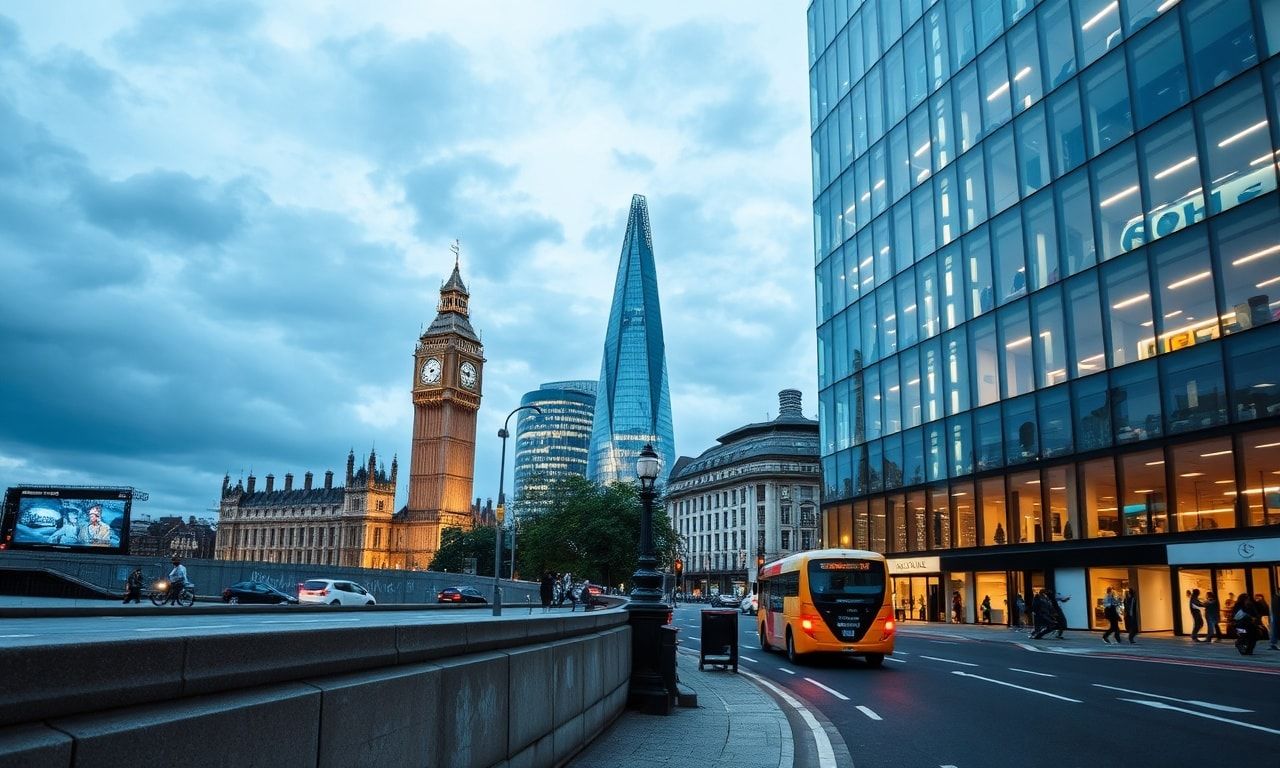
The skyline of London is a visual narrative of its architectural journey. The iconic Big Ben and the Tower of London stand as symbols of the city’s rich past, while modern structures like The Shard and the Gherkin represent its futuristic aspirations. The city’s architectural evolution is not just about towering skyscrapers; it’s also about the preservation and restoration of historic buildings. Projects like the renovation of the Palace of Westminster and the transformation of the Battersea Power Station showcase London’s commitment to preserving its heritage while embracing modernity.
Balancing Tradition and Innovation
One of the most challenging aspects of London’s architectural evolution is striking a balance between tradition and innovation. The city’s planning authorities have implemented strict regulations to ensure that new developments do not overshadow historic landmarks. For instance, the tallest buildings in London are designed to be set back from the riverfront, ensuring that views of iconic structures like St. Paul’s Cathedral are preserved. This delicate balance allows London to maintain its historic charm while continuing to grow and evolve.
The Cultural Renaissance
London’s cultural scene is as diverse as its population. The city is home to world-renowned museums, galleries, and theaters, each contributing to its vibrant cultural landscape. The British Museum, the National Gallery, and the West End theaters are just a few examples of the cultural institutions that draw millions of visitors each year. However, London’s cultural renaissance is not just about its established institutions; it’s also about the emerging artists and cultural spaces that are redefining the city’s artistic identity.
The Rise of the Creative Hubs
In recent years, London has seen a surge in creative hubs and cultural spaces that cater to the city’s diverse artistic community. Areas like Shoreditch, Brixton, and Peckham have become hotspots for street art, independent galleries, and pop-up exhibitions. These creative hubs not only provide a platform for emerging artists but also contribute to the city’s economic growth. According to a report by the Creative Industries Federation, the creative sector in London contributes over £50 billion to the UK economy annually, highlighting the importance of these cultural spaces.
The Sporting Spirit
London’s sporting spirit is another aspect of its dynamic identity. The city has hosted some of the world’s most prestigious sporting events, including the Olympic Games and the FIFA World Cup. London’s sporting venues, such as Wembley Stadium and Wimbledon, are iconic landmarks that attract sports enthusiasts from around the globe. The city’s love for sports is not limited to international events; it’s also evident in its local sporting culture. From football matches at the local parks to golf tournaments at prestigious clubs, London’s sporting scene is as diverse as its population.
Golf Tournament Scores Standings
For golf enthusiasts, London offers a plethora of opportunities to enjoy the sport. The city is home to some of the most prestigious golf clubs in the world, including the Royal St. George’s Golf Club and the Sunningdale Golf Club. These clubs host numerous golf tournaments throughout the year, attracting top players from around the globe. To stay updated on the latest golf tournament scores and standings, enthusiasts can visit golf tournament scores standings for comprehensive coverage and real-time updates.
The Economic Powerhouse
London’s economic prowess is a significant contributor to its dynamic identity. As one of the world’s leading financial centers, London is home to the headquarters of numerous multinational corporations, financial institutions, and tech startups. The city’s economic growth is driven by its diverse industries, including finance, technology, healthcare, and creative arts. London’s economic powerhouse status is not just about its financial institutions; it’s also about its entrepreneurial spirit and innovation. The city’s tech startups, often referred to as the ‘Silicon Roundabout,’ are at the forefront of technological innovation, contributing to London’s reputation as a global leader in technology and innovation.
Navigating Economic Challenges
Despite its economic strength, London faces several challenges, including income inequality, housing affordability, and infrastructure development. The city’s planning authorities are implementing various initiatives to address these challenges. For instance, the London Plan outlines strategies for sustainable growth, affordable housing, and infrastructure development. These initiatives aim to ensure that London’s economic growth is inclusive and sustainable, benefiting all its residents.
Conclusion
London’s dynamic landscape is a testament to its ability to blend tradition with innovation, history with modernity, and diversity with unity. From its architectural marvels to its cultural renaissance, sporting spirit, and economic prowess, London continues to evolve and redefine its identity. As the city navigates the challenges of the 21st century, it remains a beacon of hope, resilience, and inspiration for cities around the world.
In the midst of today’s fast-paced news cycle, finding equilibrium is crucial; our latest guide, work-life balance tips, offers practical advice for journalists and professionals alike.
As the world of sports continues to evolve, our latest feature, sports events to watch, offers a comprehensive look at the major competitions shaping the global sports landscape in the coming years.
As Wolfsburg marks a significant milestone, the city celebrates its 75th anniversary with a series of events and reflections on its history.