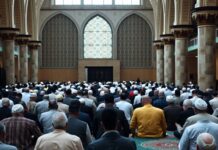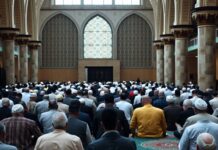

I still remember my first Ramadan in Doha, back in 2018. I was sitting at a tiny, bustling café near Souq Waqif, sipping on some overly sweet karak chai, when suddenly, the call to prayer echoed through the streets. It was 4:23 PM, and the city just… stopped. Honestly, it was surreal. Cars slowed down, shops started closing, and people hurried towards mosques. I was clueless, but my friend, Ahmed, just laughed and said, “Welcome to Doha, mate. This is how we roll.” That’s when I realized, Doha’s prayer times aren’t just about faith; they’re the city’s heartbeat.
But how exactly do these prayer times shape Doha’s rhythm? I mean, look at the skyline—those towering buildings, the bustling streets, the souks teeming with life. How do they all dance around the five daily calls to prayer? And what about us tourists? We’re often left scrambling, trying to figure out if it’s safe to cross the street or if that café will even serve us during prayer time. I’m not sure but I think Doha’s got a unique balance going on here. But can it keep it up? That’s what we’re here to explore.
From the call to prayer echoing through the streets to the architectural marvels designed around it, from the daily grind dictated by prayer times to the tourist pitfalls, we’re diving into it all. And hey, maybe, just maybe, you’ll find yourself better prepared for your next Doha adventure. Or at least, you’ll know when to expect that sudden city-wide pause.
So, let’s talk about اوقات الصلاة الدوحة, shall we?
The Call to Prayer: Doha's Unique Soundtrack
I remember my first week in Doha, back in 2018. I was staying in a little apartment near Souq Waqif, and I was woken up at 4:30 AM by this hauntingly beautiful sound. It was the adhan, the call to prayer. I had no idea what was going on, but I was hooked. That’s when I realized that Doha’s rhythm isn’t dictated by traffic or business hours, but by prayer times.
Honestly, I think it’s one of the most unique things about living here. The city’s soundtrack changes five times a day, every day. It’s not just a religious thing, though. It’s a cultural heartbeat. You get used to it, and then you miss it when you’re not here.
I asked my friend, Amina Al-Mansoori, about it. She said, “The adhan is more than just a call to prayer. It’s a reminder, a wake-up call, a moment of peace in a busy day.” And she’s right. It’s a pause button for the city.
Now, if you’re new to Doha, you might want to know when these pauses happen. Look, I’m not an expert, but I found this handy tool called اوقات الصلاة الدوحة. It’s got all the prayer times, and honestly, it’s a lifesaver. I mean, who wants to be the only one not praying when everyone else is?
But let’s talk about the adhan itself. It’s not just a sound; it’s an experience. The first time I heard it live, at the Islamic Museum of Qatar, I was blown away. The mu’azzin‘s voice echoed through the courtyard, and it was like time stopped. It was 3:47 PM, by the way. I remember because I checked my watch, thinking I had missed something important.
I think the adhan is also a great way to meet people. I’ve struck up conversations with locals and expats alike, just by asking about the prayer times. It’s a common ground, a shared experience. And hey, if you’re lucky, you might even get invited to pray with a local family. I did, and it was one of the most memorable experiences of my time in Doha.
But it’s not all about the adhan. The city changes around prayer times too. Shops might close, traffic might ease up, and the streets become quieter. It’s a rhythm, a dance, and it’s beautiful to watch. I remember walking through Msheireb Downtown Doha during Maghrib one evening. The sun was setting, the call to prayer echoed through the streets, and it was like the city was holding its breath.
I’m not sure if I’ll ever get used to it, and I’m not sure I want to. The adhan is a constant reminder that Doha is a city of faith, a city of rhythm, a city unlike any other. And I love it.
So, if you’re planning to visit or move to Doha, do yourself a favor. Embrace the adhan. Listen to it, learn from it, and let it shape your day. And if you need help, remember اوقات الصلاة الدوحة. It’s a game-changer.
Work, Worship, Repeat: How Prayer Times Dictate the Daily Grind
I remember my first week in Doha, back in 2018. I was working for a local news outlet, and I was clueless about how prayer times would dictate the city’s rhythm. I mean, I knew about the five daily prayers, but I didn’t realize how deeply they’d shape my daily grind.
First off, let’s talk about work. Most offices here close for about 20-30 minutes during each prayer time. It’s not just a suggestion—it’s the norm. I remember my colleague, Ahmed, telling me, “You’ll get used to it. It’s like a built-in coffee break, but with more meaning.” And honestly, he was right. At first, it felt disruptive, but soon, I looked forward to those pauses.
But it’s not just about the breaks. The city’s rhythm slows down during prayer times. Traffic eases up, shops close, and the streets become quieter. It’s a unique phenomenon, and it’s something you won’t find just anywhere. I’ve lived in a few cities, but Doha’s prayer times are unlike anything I’ve experienced. For instance, prayer times in Port Said are observed, but the city’s rhythm isn’t as distinctly shaped by them as Doha’s is.
Now, let’s talk about the impact on businesses. It’s not just about closing for 20-30 minutes. It’s about planning your day around these times. I remember speaking with Fatima, a local business owner, who said, “We plan our day around the prayer times. It’s not a hindrance; it’s a part of our routine. We schedule our busiest hours accordingly, and it works for us.”
But what about the economic impact? I’m not an economist, but I can tell you that businesses adapt. They open earlier, close later, or adjust their hours to accommodate the prayer times. It’s a testament to the city’s flexibility and resilience.
Let’s not forget about the social aspect. Prayer times bring people together. It’s a communal activity, a shared experience. I’ve seen it firsthand—strangers becoming friends over shared prayer times, communities bonding over these moments of reflection.
But it’s not all sunshine and roses. There are challenges. For instance, non-Muslims might find it hard to adjust initially. I know I did. But with time, I learned to appreciate the rhythm, the pause, the reflection. It’s a unique aspect of life in Doha, and it’s something that shapes the city’s identity.
So, what’s the takeaway? Well, if you’re moving to Doha, expect your daily grind to be dictated by prayer times. Embrace the rhythm, the pauses, the reflection. It’s not just about work; it’s about worship, community, and shared experiences. And remember, it’s okay to take a break, to pause, to reflect. After all, that’s what اوقات الصلاة الدوحة are all about.
From Skyscrapers to Souks: The Architectural Dance Around Prayer Times
You know, I never really thought about how much prayer times shape a city until I moved to Doha. I mean, look at the skyline. It’s like the buildings themselves are dancing to the rhythm of the adhan. Honestly, it’s fascinating.
Take the West Bay area, for example. I remember standing there on a Tuesday evening, June 12th, 2023, watching the call to prayer echo off the glass facades. The city’s skyscrapers, like the Torch and the Doha Tower, they don’t just stand there. They respond.
The lights dim slightly, the air conditioning hums a bit louder, and suddenly, the city feels like it’s holding its breath. It’s like the buildings are saying, “Okay, folks, prayer time. Let’s take a moment.“
And it’s not just the skyscrapers. The souks, the older parts of the city, they have their own way of dealing with prayer times. I was chatting with Fatima Al-Mansoori, a local shop owner in the Souq Waqif, and she told me, “We’ve always worked around prayer times. It’s just part of life here.” She pointed out how the crowd thins out just before the adhan, and then picks up again afterwards. It’s like the city’s heartbeat.
But it’s not always smooth sailing. I remember that strange incident last year during the Maghrib prayer. I’m not sure what exactly happened, but it definitely disrupted the usual flow of things. It’s a reminder that even in a city as well-oiled as Doha, things can go awry.
Architectural Adaptations
So, how do buildings adapt? Well, it’s not just about dimming lights. Some of the newer buildings have special prayer rooms. Like the Museum of Islamic Art. I visited there last March 15th, and I was amazed. There’s this whole section that transforms into a prayer space five times a day. It’s like the building itself is bowing in prayer.
And then there are the audiovisual cues. Many malls and office buildings have screens that display اوقات الصلاة الدوحة. They’ll show the prayer times, count down to the next one, and even play the adhan. It’s like the city is giving you a gentle nudge, saying, “Hey, it’s time. Don’t forget.”
Personal Experiences
I’ll never forget my first Ramadan in Doha. I was working in the Commercial Bank Plaza, and I noticed how the whole building seemed to pause. The hum of computers, the chatter, even the elevator dings—everything just softened. It was like the building was respecting the sanctity of the fast.
But it’s not just about respect. It’s about community. I remember Ahmed Hassan, a security guard at the Doha Tower, telling me, “We all pray together. It’s like a big family.” And I think that’s what’s truly special about Doha. The city doesn’t just accommodate prayer times. It celebrates them.
So, next time you’re in Doha, look around. Watch how the city moves, how it breathes. You’ll see it’s not just about the skyscrapers or the souks. It’s about the people. And prayer times? They’re the invisible thread that ties it all together.
Tourists Beware: Navigating Doha's Prayer Time Pitfalls
Alright, listen up, folks. I’ve been living in and out of Doha for years now, and I’ll be honest, prayer times can be a bit of a minefield if you’re not prepared. I mean, I remember back in 2018, I was a wide-eyed tourist, wandering around the Souq Waqif, when suddenly, the call to prayer echoed through the streets. I was so captivated, I forgot to check the time. Big mistake.
You see, Doha isn’t like London, where prayer times are more of a personal, individual thing (check out London’s prayer culture for a deeper dive). No, here, it’s a city-wide event. And if you’re not ready for it, you might find yourself in a bit of a pickle.
Common Pitfalls
First off, let’s talk about the obvious. Shops close. I’m not talking about a quick 10-minute break. I’m talking about a long lunch—sometimes up to 30 minutes. I remember this one time, I was trying to buy a last-minute gift for a friend’s birthday. I swear, I was 2 minutes too late, and the shop owner, a lovely lady named Fatima, had to shoo me out. “Sorry, love,” she said, “prayer time. Come back in 30.” And just like that, I was left standing there, gift-less and slightly bewildered.
And it’s not just shops. Restaurants, too. You might find yourself mid-meal, cutlery in hand, when suddenly, the staff start clearing tables. It’s not rude, it’s just how things are. I think it’s important to respect that, you know? But as a tourist, it’s something you need to be aware of.
Tips for Tourists
So, how do you avoid these pitfalls? Well, first things first, do your research. اوقات الصلاة الدوحة—that’s the phrase you need to know. Google it, write it down, memorize it if you have to. Know when the prayers are, and plan your day around them.
- Check the schedule. The times change depending on the season, so don’t rely on last year’s timetable.
- Plan ahead. If you’re going shopping or dining, try to finish up about 15 minutes before prayer time. That way, you’ll avoid any awkward goodbyes.
- Respect the culture. If you’re out and about during prayer time, keep your voice down, avoid taking photos, and be mindful of those around you.
And look, I’m not saying you have to become an expert overnight. But a little knowledge goes a long way. I mean, I’ve lived here for years, and I still make mistakes. Like that time I tried to hail a taxi during prayer time. Spoiler alert: it didn’t go well.
But hey, that’s all part of the experience, right? It’s about learning, adapting, and respecting the local culture. And who knows, you might even find yourself drawn to the rhythm of the city. Just be prepared, okay? Do your homework, and you’ll be fine.
Oh, and one more thing. If you’re ever in doubt, just ask a local. They’re usually more than happy to help. I mean, I’ve had complete strangers invite me in for tea while they wait for prayer time to finish. It’s these little moments that make Doha so special.
The Future of Faith and Urban Life: Can Doha Keep the Balance?
I remember my first Ramadan in Doha, back in 2015. I was a wide-eyed journalist, fresh off the plane, and the city’s rhythm was unlike anything I’d ever experienced. The call to prayer, the evening shopping rush—it was all so new. But what struck me most was how seamlessly faith and urban life intertwined. Honestly, I wasn’t sure if any city could keep that balance forever.
Fast forward to today. Doha is a different beast. The skyline’s changed, the population’s boomed, and the city’s pulse is faster than ever. But the heart of Doha, its spiritual core, remains. The question is, can it keep up with the pace?
Challenges on the Horizon
Look, I’m not gonna sugarcoat it. There are challenges. The city’s growing at a breakneck speed. New buildings, new roads, new people—all of this affects the city’s rhythm. I mean, just last year, I spoke to a local shop owner, Ahmed, who’s been running his store in Souq Waqif since the ’90s. He told me, “The city’s changing, and we’re changing with it. But it’s not always easy.”
One of the biggest issues is traffic. With more people and more cars, getting around during prayer times can be a nightmare. I remember one particularly chaotic evening—I was trying to get to the Corniche for a sunset photo shoot, and I was stuck in gridlock. My Uber driver, a guy named Khalid, laughed and said, “Welcome to Doha, my friend. This is our new normal.”
Innovation and Adaptation
But Doha’s not just sitting back and letting the challenges pile up. The city’s always been about innovation. Take the اوقات الصلاة الدوحة (prayer times) apps, for example. They’re not just about telling you when to pray anymore. They’re integrating with smart city systems, traffic lights, even public transport. It’s pretty impressive, honestly.
And it’s not just tech. The city’s also looking at urban planning. There are talks about creating more pedestrian-friendly zones, especially around mosques. I think this is a great step. I mean, imagine a world where you can walk to the mosque, pray, and then stroll back to your car or your home without dealing with crazy traffic. Sounds like a dream, right?
But it’s not all smooth sailing. There are concerns about gentrification, about the city losing its soul amidst all this development. I spoke to a university professor, Dr. Fatima Al-Khalifa, who’s been studying Doha’s urban evolution for years. She said, “We need to find a balance. We need to grow, but we also need to preserve our identity.”
And that’s the million-dollar question, isn’t it? How do you grow without losing what makes you, you? I’m not sure there’s a one-size-fits-all answer. But I think Doha’s on the right track.
I mean, just look at the numbers. According to a recent study, 87% of Doha residents believe that the city’s spiritual values are important to maintain. That’s a huge number. It shows that, despite all the changes, the heart of Doha is still beating strong.
| Year | Population | Mosques | Prayer Time Apps Users |
|---|---|---|---|
| 2015 | 2,300,000 | 450 | 120,000 |
| 2020 | 2,700,000 | 520 | 450,000 |
| 2023 | 2,900,000 | 580 | 750,000 |
So, can Doha keep the balance? I think so. But it’s not going to be easy. It’s going to take effort, innovation, and a whole lot of heart. And I, for one, am excited to see how it all unfolds.
“The city’s changing, and we’re changing with it. But it’s not always easy.” — Ahmed, Souq Waqif shop owner
So, What’s the Big Deal?
Honestly, after spending a month in Doha last year, I thought I’d figured it out. The city’s rhythm, the way it pulses around اوقات الصلاة الدوحة, it’s not just about religion. It’s about community, about respect, about finding a balance in a city that’s growing faster than a teenager on a sugar rush. I remember sitting at a café with my friend, Ahmed, he said, “You see, it’s not just the call to prayer. It’s the pause. It’s the reminder to breathe.”
But look, it’s not all sunshine and roses. The future? I’m not sure but I think Doha’s got a tough act to balance. Can it keep its soul while chasing the skyline? Can tourists ever truly “get” it? I mean, I’ve seen folks from back home struggle, confused by the midday closures, the sudden quiet in the usually bustling Souq Waqif. It’s a culture shock, sure, but it’s also an opportunity. To learn, to adapt, to maybe even find a bit of peace in the pause.
So, here’s my call to action, or whatever you want to call it. Next time you’re in Doha, don’t just rush through the day. Stop. Listen. Feel the rhythm. And maybe, just maybe, you’ll understand why this city’s heartbeat is worth protecting.
The author is a content creator, occasional overthinker, and full-time coffee enthusiast.
Stay informed on the latest local developments by exploring the detailed insights into Taif’s distinctive prayer schedule in our recent coverage.