How to Plan Entertaining Events in London on Any Budget
Choose event entertainment in London with practical ideas for every budget, from live music and comedy to attractions, venues and travel planning.

The best event entertainment ideas depend on who is coming, what the gathering should feel like and how much you can spend. In London, start with a simple plan: choose a venue that is easy to reach, then match the activity to the audience, from a playlist and games to live music, comedy or a nearby attraction.
A clear budget helps you decide whether to book a performer, use a venue’s existing facilities or keep the programme informal. Check what is included before comparing options, since sound equipment, staffing and setup time can affect both the cost and the running order.
For London guests, travel is part of the plan: a lively event can lose its appeal if the last journey home is difficult. Build in time for arrivals, food and breaks, and give people clear directions using nearby Tube, rail or bus connections.
- Start with the occasion, audience and a budget that includes venue and practical costs.
- Choose a London venue for the activity, access needs and journey home.
- Match live entertainment to the room, audience and sound conditions.
- Keep itineraries simple, with nearby attractions, travel time and a backup plan.
Start with the occasion, audience and budget
Set the gathering’s purpose
Decide what guests should remember before choosing an activity. A birthday gathering might suit a relaxed playlist and a shared meal, while a work celebration could benefit from a short performance that gives people a common focus. The occasion sets the tone, so avoid booking entertainment that competes with the reason people have come together.
- Choosing entertainment before checking whether the audience will enjoy it; match the format to the group.
- Budgeting only for the performer; include equipment, venue and staffing requirements.
- Ignoring how guests will get home; check transport options before setting the finish time.
Think about the group’s size, ages, access needs and how well guests know one another. A quiz or hosted game can help a mixed group mingle, while close friends may prefer a dance floor or live act. If some guests need quieter surroundings, plan a space where conversation remains possible.
Set a spending limit that includes more than the headline entertainment. Allow for venue hire, food, equipment, travel and any setup or staffing requirements, then decide which element matters most to the occasion. Visitors comparing London venue costs with spending money in Turkey can use serbest piyasa döviz kurları to check the current conversion.
Make the budget work
Spend first on the parts guests will notice most, such as a comfortable space or a well-chosen performer. If the budget is tight, keep the event’s core activity simple and add atmosphere with a curated playlist, table games or a short open-mic slot. A thoughtful plan often matters more than a packed schedule.
Ask venues what their hire includes before you compare quotes. Tables, chairs, speakers, microphones, a technician and cleaning arrangements can change what you need to arrange separately. Confirm whether you may bring your own refreshments or entertainment, and get any restrictions in writing before committing.
Keep a small reserve for practical changes, such as an extra microphone or a later setup requirement. If you have several options, compare them using the same checklist rather than judging only by the booking fee. That makes it easier to spot a low-cost choice that would require substantial extra work.
- List essential costs before optional extras.
- Ask what equipment and staffing are included.
- Check setup, access and finish-time conditions.
- Compare each option against the same needs.
Choose a London venue that suits your plans
Match space to activity
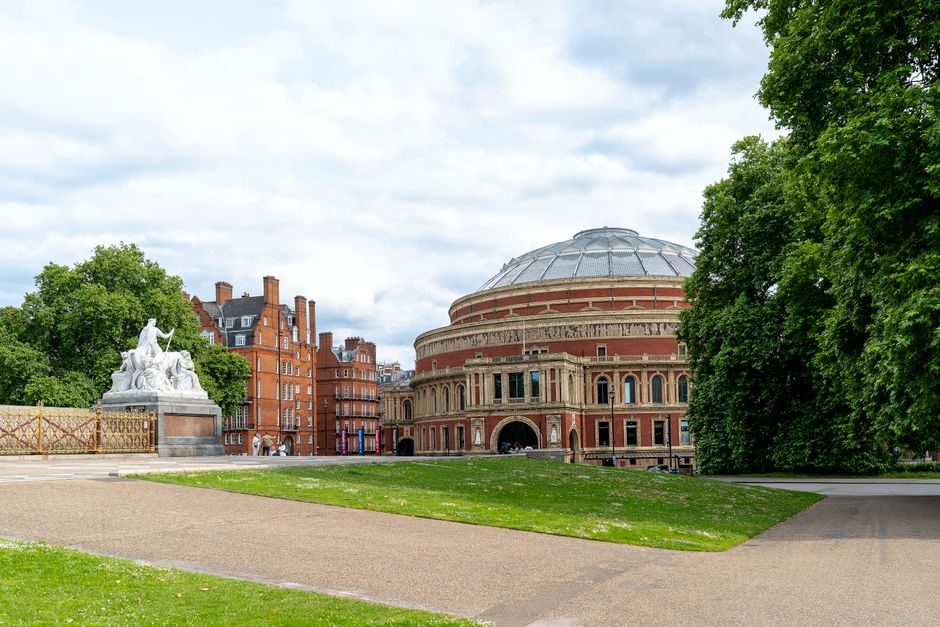
Choose a venue around the activity’s practical needs, not just its appearance. A seated acoustic set needs clear sightlines and a quiet corner, while dancing calls for open floor space and suitable sound equipment. For a workshop or quiz, check that guests can hear instructions and see any screen or host.
London offers different settings, from community halls and pub function rooms to galleries and outdoor spaces. Each can suit a different atmosphere, but availability, hire conditions and facilities vary. Contact the venue directly to check capacity, access arrangements and whether your planned entertainment is permitted.
Think about how the room will feel at the expected attendance. A large hall can make a small gathering seem sparse, while a compact room may become uncomfortable once guests, performers and equipment are together. Ask whether you can visit or see a floor plan, then map out seating, performance space and circulation.
Plan the journey home
Check the venue’s nearest Tube, rail and bus connections, then consider how guests will travel at the time the event ends. London services and routes can change, so consult current Transport for London information and the relevant rail operator before sharing a plan. Give guests a nearby station or stop as a clear reference point.
Make the venue easy to find with concise directions and a recognisable landmark, rather than assuming every guest knows the area. For visitors, include the borough or neighbourhood and the nearest transport stop. If the entrance is tucked away or access differs after hours, confirm those details with the venue.
For outdoor gatherings, build a weather alternative into the plan and check any relevant permissions with the land manager or local authority. Keep the programme flexible enough to move indoors or shorten an activity if conditions change. A sheltered waiting area can also make arrivals more comfortable when guests come from different parts of the city.
- Check current routes and service information.
- Share the nearest station or bus stop.
- Confirm entrance and access details.
- Arrange a weather backup for outdoor plans.
Explore live music, comedy and performance
Choose a format guests enjoy
Choose a performance format that fits both the room and the audience. An acoustic musician can suit a dinner where people want to talk, while a DJ works better when dancing is part of the plan. A comedian or spoken-word performer can hold attention in a seated setting, provided the room is quiet enough to hear.
Ask performers about their technical needs, arrival time and set length before confirming a booking. Check whether the venue supplies a microphone, speakers or a sound operator, and whether there are limits on volume or performance hours. Agree who handles setup and what happens if equipment fails, so the event does not depend on assumptions.
If guests are travelling from Turkey, a döviz kurları çevirici can help them estimate how their event budget translates into lira. For the entertainment itself, keep the programme focused: one strong performance may suit a short gathering better than several acts with long changeovers. Leave enough time for guests to arrive and settle before the first set.
| Option | Works well for | Check before booking |
|---|---|---|
| Acoustic music | Conversation and relaxed gatherings | Sound needs and set length |
| DJ | Dancing and flexible music | Speakers, space and volume rules |
| Comedy | A seated, attentive audience | Room noise and microphone |
| Interactive act | Participation and shared focus | Audience fit and setup time |
Compare performance options
Live music, comedy and participatory performance create different kinds of energy, so compare them by what guests will actually do. Music can provide a backdrop or invite dancing; comedy asks for attention and a quieter room. A short workshop or interactive act can give guests a shared activity without making the whole event a show.
Consider how performers will reach the venue and where they can prepare. In a busy central area, allow for loading access and a clear arrival window; in a residential setting, check sound restrictions and the agreed finish time. Confirm the running order with the venue and performer, especially if food service is part of the event.
Keep the booking details specific: performance length, breaks, equipment, setup and cancellation terms should be clear. Ask how the act adapts to a smaller or more mixed audience, rather than relying on a generic description. If an option seems uncertain, a short performance slot can reduce disruption while still giving the gathering a focal point.
- Acoustic music: suits conversation-led gatherings.
- DJ: suits dancing and a flexible playlist.
- Comedy: needs attentive guests and clear sound.
- Interactive act: adds participation and shared focus.
Build the event around one nearby activity rather than trying to cross London between several stops.
Build an itinerary around London attractions
Pair activities with nearby places
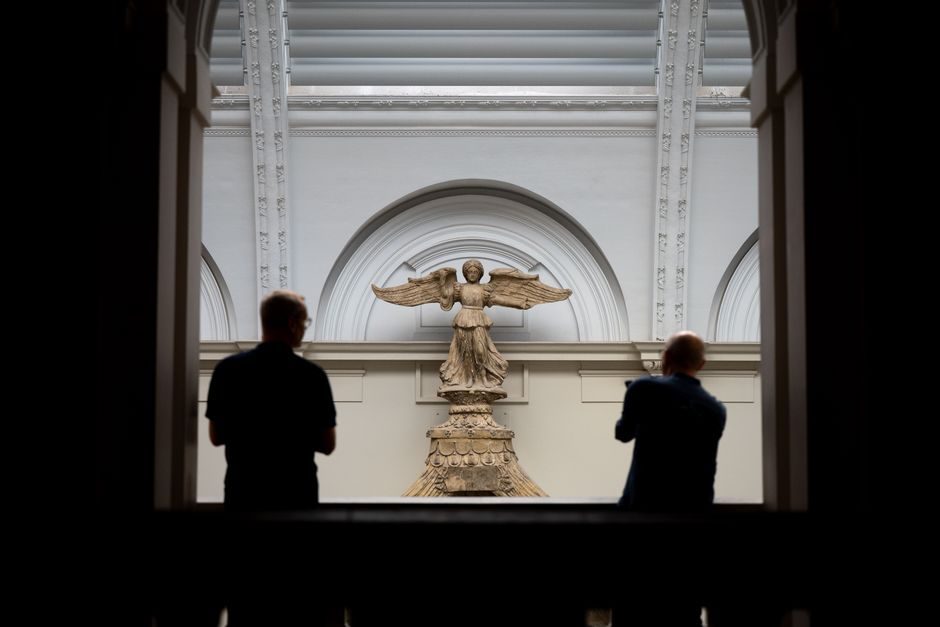
Build the event around one nearby activity rather than trying to cross London between several stops. A museum visit, riverside walk or gallery outing can lead into a meal or gathering in the same area. This gives guests a shared starting point and avoids losing time to transfers or late arrivals.
- ☐ Check attraction opening and booking details.
- ☐ Choose one nearby follow-on venue.
- ☐ Allow time for travel and a break.
- ☐ Share a meeting point and backup plan.
Check each attraction’s current opening information, booking requirements and access arrangements directly before you set the itinerary. Some visits work best with a timed entry, while outdoor plans may need a weather alternative. Make clear whether guests should arrive together or meet at the venue after exploring independently.
Leave a realistic gap between the attraction and the main event. Guests may need time to travel, eat or rest, and a tightly timed schedule can make a social gathering feel rushed. Share the order of activities in advance, with a clear meeting place and a simple option for anyone who cannot join the first stop.
Keep the schedule comfortable
Use a simple running order with arrival time, main activity, food and a finish window. This helps guests understand what to expect without making the gathering feel over-managed. For a casual event, treat the times as prompts rather than strict transitions, especially when people are meeting one another or travelling across the city.
Avoid placing a performance immediately after a long journey or a busy attraction visit. Give guests time to settle, find refreshments and talk before asking them to focus. If the event includes children, older guests or people with access needs, check that seating, toilets and quieter breaks are easy to reach.
Send practical information in one message: venue name, nearest transport stop, arrival time, activity order and who to contact if plans change. For a group moving between locations, agree a meeting point that is easy to identify and tell guests what happens if they arrive late. Clear instructions help the day run smoothly without adding extra entertainment.
- Set a clear arrival window.
- Place breaks between activities.
- Share one itinerary with guests.
- Name a fallback meeting point.
Plan for guests travelling from overseas
Share routes before arrival
Send guests a clear route from their arrival point to the venue, using the nearest Tube, rail or bus stops as landmarks. London has several airports and major stations, so “take the train into town” is not enough guidance. Include the venue’s postcode, a map pin and a practical alternative if a line is disrupted.
- Confirm each guest’s arrival station or airport.
- Choose a route with clear connections to the venue.
- Send the postcode, map pin and meeting point.
- Recheck service updates and share any changes.
Tell visitors which payment methods work for local transport and where to check live service updates before setting out. Transport for London’s website and app provide route and disruption information, while station staff can help with accessible routes. Remind guests to allow extra time for transfers, busy interchanges and the walk from the station to the venue.
For an event with a fixed start, share a suggested arrival window and explain whether latecomers can enter quietly. If the gathering is near a large station, name a simple meeting point outside the busiest entrances. That small detail helps people who have just arrived avoid confusion and keeps the host from fielding repeated directions.
- Share the venue postcode and map pin.
- Name the nearest station and exit where useful.
- Check routes again on the event day.
- Offer a clear meeting point.
Make cultural details clear
Explain practical customs that visitors may not know, such as whether the event is standing or seated and whether food is included. Give the start and finish times in London local time, and say whether guests should arrive together or can come at any point. Clear expectations make it easier for people to plan around jet lag and onward travel.
If guests are travelling from countries with different currencies, make the event’s payment arrangements explicit. State whether tickets, refreshments or shared costs are prepaid, and avoid leaving visitors to guess whether a venue accepts cards or cash. For a group meal, agree in advance how the bill will be handled so no one is surprised.
Choose wording and activities that make sense across language backgrounds. A short written itinerary, simple signage and brief spoken introductions can help guests follow performances or move between spaces. Avoid relying on local slang for essential instructions, and name a contact person who can answer practical questions during the gathering.
Keep costs manageable without losing impact

Spend on what guests notice
Set a firm spending limit, then decide which element will make the gathering feel distinctive: a performer, a good location, shared food or a well-planned activity. A smaller event can still feel complete when one feature is memorable and the basics are reliable. Avoid spreading the budget so thinly that every part feels unfinished.
Compare venue hire with the cost of using a public or community space, but check what each option includes. A room that supplies chairs, sound equipment and a staffed reception may reduce extra work, while a lower hire cost can mean arranging those details yourself. Confirm any restrictions on outside food, decorations or performance equipment before committing.
For Turkish visitors setting aside money for tickets or refreshments, bugün dolar kaç TL can help put a dollar-denominated budget in context. Treat exchange rates as a planning reference rather than a guaranteed payment amount, since a bank or card provider may apply its own conversion rate and charges. Keep the event’s actual costs and payment terms in pounds clear to guests.
- Prioritise one standout feature.
- Check what venue hire includes.
- Confirm food and equipment restrictions.
- Keep costs payable in pounds transparent.
Use free city experiences
London offers plenty of atmosphere without requiring a paid attraction as the centrepiece. A riverside walk, a public square or a visit to a free gallery can provide a shared experience before a modest meal or informal gathering. Check opening arrangements and any access limits on the relevant institution’s official information before building the plan around it.
Choose an activity that works for the group’s size and energy. A self-guided architecture walk suits guests who like to explore at their own pace, while a simple quiz about the neighbourhood gives a mixed-age group a reason to interact. Keep a rainy-day alternative in mind, since outdoor plans can become uncomfortable in London weather.
Control costs by making optional spending genuinely optional. Tell guests in advance if a meal, drink or attraction is at their own expense, and offer a no-cost way to take part in the main event. This avoids awkwardness for people with different budgets and makes the gathering feel welcoming rather than dependent on everyone buying something.
Avoid common venue and scheduling problems
Check venue limits early
Confirm the venue’s capacity, access times and permitted activities before inviting guests. A room may look suitable but have restrictions on amplified sound, decorations, food or late finishes. Ask who handles setup and clearing away, and get important conditions in writing so the event plan reflects what the venue actually allows.
Walk through the space if possible, or request a current layout showing entrances, toilets and any steps. Check whether the room can accommodate the planned seating, performance area and circulation without blocking routes. For a venue near a busy road or station, consider noise and how easily guests can find the entrance from the street.
Build a realistic schedule that includes arrival, setup, transitions and pack-down, not just the headline activity. Events often run late when guests need time to settle or a performer requires a sound check. Leave breathing room between programme items, and identify which parts can be shortened if transport disruption or a delayed start affects the timetable.
- Confirm capacity and permitted sound levels.
- Check setup, access and clear-up times.
- Inspect entrances, toilets and step-free routes.
- Leave time between programme items.
Build in sensible alternatives
Avoid relying on a single transport route when guests must arrive at a particular time. Check which Tube, rail and bus options serve the area, then tell guests where to look for live updates rather than promising that a service will run normally. If several people are travelling together, agree on a meeting point that remains easy to reach if plans change.
Plan for weather and seasonal daylight when an activity includes outdoor time. A covered nearby space or indoor alternative can keep the event comfortable if rain arrives, while an earlier start may suit a walk during shorter days. Check that the alternative has enough room and is actually available before presenting it as a fallback.
Keep suppliers and participants informed through one agreed channel, such as an email thread or event message group. Share changes promptly and make one person responsible for decisions on the day. This reduces contradictory instructions when a room opens late, a performer is delayed or guests need to be directed to a different entrance.
Make the event welcoming and easy to navigate
Make access part of planning
Ask guests privately about access needs before choosing the room and finalising the programme. Check step-free entry, accessible toilets, seating options and the route between the entrance and event space directly with the venue. Do not assume that a building’s general accessibility information covers every room or the route guests will need to use.
Provide a quiet place or a lower-stimulation option when the venue allows it. Some guests may welcome a break from loud music or a crowded reception, and clear information about the programme helps them decide when to join. If sound is important, share whether the event includes amplified music or sudden effects.
Make signs easy to read and place them where guests have to make a choice, such as at a fork in a corridor or near a lift. Use plain directions for toilets, seating and refreshments, and check that signs are visible from a seated position. A host near the entrance can answer questions without making guests feel they are interrupting.
- Ask about access needs early.
- Verify facilities with the venue directly.
- Mark key routes and facilities clearly.
- Offer a quieter place where possible.
Help guests connect comfortably
Give guests an easy first step when they arrive, such as a welcome desk, name labels or a host who introduces people with shared interests. This is especially helpful when attendees do not already know one another. Keep introductions low-pressure, and let people choose whether to join a structured activity or simply observe.
Use a programme that makes transitions obvious, with the order of activities and approximate timings shared in advance. Introduce speakers or performers briefly, explain how audience participation works and tell guests when refreshments are available. These cues reduce uncertainty without requiring a formal announcement for every small change.
End with a clear practical sign-off rather than letting the gathering drift into confusion. Tell guests when the event is finishing, how to reach the nearest transport options and where to ask for help. If the venue has a set closing time, give a gentle reminder before it arrives so guests can collect belongings and leave without rushing.
Frequently asked questions
How far ahead should I book a London event venue?Start looking as soon as you know the likely date, guest count and type of activity, especially if the venue needs particular access, equipment or a late finish. Availability varies by location and season, so compare a few suitable options rather than building the plan around one room. Confirm the booking terms, access times and cancellation arrangements before paying or inviting guests.
How can I keep guests informed if Tube services change?Share the venue postcode and the nearest stations, then direct guests to Transport for London’s live travel information on the day. Avoid sending a route as if it cannot change; instead, name a backup station or bus option where practical. If disruption affects the event itself, use one agreed message channel and make one organiser responsible for sending confirmed updates.
What should I ask a London venue before booking?Ask about capacity, step-free access, accessible toilets, sound limits, setup and clearing times, and what furniture or equipment is included. Check whether outside food, decorations or performances are permitted, and whether there are restrictions on finish time. If the event has a particular format, describe it plainly and ask the venue to confirm that the room and conditions suit it.
What is a good low-cost activity for a mixed group?A self-guided walk through a neighbourhood can work well when it is short, easy to follow and paired with a nearby indoor stop in case of rain. You could also use a simple local-history quiz or a shared playlist and conversation prompt in a free-to-enter space. Choose an activity that does not require everyone to spend money or keep the same pace.
Turn a London gathering into a clear plan
A successful event does not depend on an expensive venue or a packed programme. Match one memorable activity to the group, check the room’s real-world limits and make travel, timing and access details easy to understand. In London, a straightforward route and a realistic fallback can matter as much as the entertainment itself, especially when guests are unfamiliar with the area.
Before sending invitations, write a simple run sheet with the venue address, arrival guidance, programme, access information and any costs guests should expect. Confirm those details with the venue, then check transport updates again on the day. That practical preparation gives guests room to enjoy the event and gives the organiser a clear plan when something changes.
Add London News as a preferred source on Google


