A Londoner's Guide to Getting Involved in Local Politics
Learn which London council or representative handles an issue, how to contact councillors, respond to consultations and organise with neighbours.

To get involved in local politics in London, first identify whether your concern belongs to your borough council, the Greater London Authority or another public body. Then contact the relevant councillor or representative with a concise account of the issue, respond to consultations on proposals that affect you, and work with neighbours when a shared concern needs a stronger voice.
London borough councils handle many everyday services, from planning decisions and housing to rubbish collection and local roads. Transport, policing and city-wide planning can involve other bodies, so checking who is responsible helps your message reach someone able to act.
You do not need to join a party or attend every meeting to take part. A clear email, a well-informed consultation response or a conversation with neighbours can all help shape decisions in your area.
- Check whether your issue belongs to the borough, a city-wide body or another public service.
- Write to the relevant councillor with a clear location, factual details and a specific request.
- Use official consultation instructions and meeting agendas to make your views count.
- Keep records of messages, submissions and decisions so you can follow up effectively.
What local politics covers in London
Borough decisions close to home
Your borough council is often the first place to raise a concern about daily life in your neighbourhood. Councils make decisions on services such as rubbish collection, housing, planning applications, libraries and many local roads. The exact responsibility can depend on the issue, so check the council’s website before writing or attending a meeting.
A planning proposal near your home is a useful example of local decision-making in practice. The borough generally handles planning applications, publishes the details and explains how residents can comment. If a development could affect you, read the application rather than relying only on a neighbour’s summary, then focus your response on specific local effects.
London borough councils also set priorities through budgets, policies and public meetings, giving residents several ways to follow decisions. When a residents’ group needs help preparing or placing campaign coverage, guest posting services uk are one option to assess against its aims and budget. Keep that separate from the council’s official process for making a formal comment.
City-wide and shared responsibilities
Some London issues cross borough boundaries, so the relevant decision-maker may sit beyond your local council. The Greater London Authority, led by the Mayor of London and London Assembly, has city-wide responsibilities, including strategic planning and transport policy. For a concern about a particular service or location, check which body manages it before choosing where to send your views.
Transport is a common source of confusion because responsibility depends on the route, service or road. Transport for London oversees much of the capital’s public transport, while boroughs manage many local streets and parking arrangements. A problem involving a bus service may call for a different contact from a concern about a pavement or controlled parking zone.
Policing also has a city-wide structure, while local priorities can be discussed through borough-level channels. The Metropolitan Police handles policing across most of London, and residents can raise neighbourhood concerns through local engagement arrangements as well as their elected representatives. Be precise about the location and type of problem so your message can be directed to the right team.
- Borough council: many local services and planning applications
- Greater London Authority: city-wide strategy and oversight
- Transport for London: much of the capital’s public transport
- Metropolitan Police: policing across most of London
Find the right council or representative
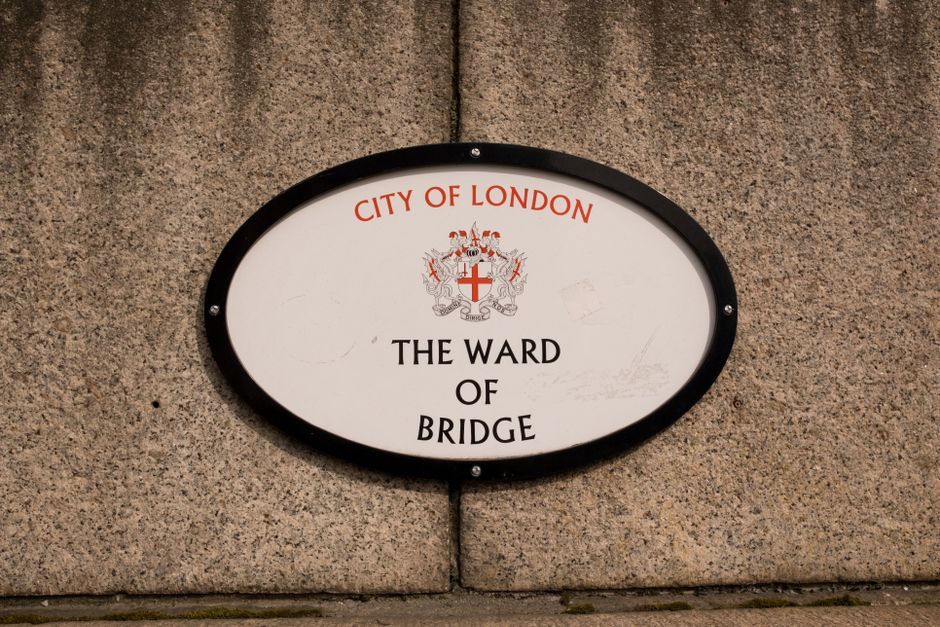
Check your borough and ward
Start by confirming which London borough and ward you live in; a nearby landmark or Tube station does not always tell you which council area applies. Use the official council website or a government postcode lookup to identify your local authority and ward. That information helps you find the councillors elected to represent your neighbourhood.
- Assuming a nearby landmark identifies your borough; check your address using an official lookup.
- Writing to a councillor for a matter outside the council’s remit; confirm who manages the service first.
- Copying every representative into one message; send a focused note to the person or body able to act.
A borough council’s website usually lists councillors by ward, with contact details and information about their roles. Check that the ward matches your home address, especially if you live near a borough boundary. A group seeking professional help with outreach may use a marketing agency directory to compare providers, while checking their experience and costs.
Match the recipient to the issue rather than sending the same message to every representative. A ward councillor is a practical first contact for a local service problem, while a planning application may have a formal consultation route as well. If the matter affects several wards or boroughs, explain that wider impact when you write.
Choose the right level of government
Once you know the issue, identify whether it is local, borough-wide or city-wide before choosing a representative. Councillors represent wards on borough councils, while London Assembly members scrutinise the Mayor and city-wide services. The Mayor sets strategic priorities, but is not the decision-maker for every neighbourhood complaint or individual council service.
For a broken pavement, missed collection or a local planning concern, begin with the borough council’s service or planning pages. For a Tube service or a city-wide transport policy, check Transport for London or the relevant Greater London Authority contact route. If responsibility is unclear, describe the problem and location to the council and ask which body handles it.
A clear first message can prevent weeks of being passed between offices. State what happened, where it happened and what outcome you are seeking, then ask for the name of the responsible team if the recipient cannot help. Keep copies of replies so you can follow up with the right office rather than restarting the explanation.
- Borough service or planning issue: check the council
- City-wide transport matter: check Transport for London or the GLA
- Policing concern: use the appropriate Metropolitan Police channel
- Unclear responsibility: ask the first office to direct your query
Raise an issue with your councillor
Write a focused first message
A useful message to a councillor explains the problem, its location and the action you want considered. Put the main point near the start, then add relevant details such as when the issue occurs or which service is involved. A concise, specific account makes it easier for the councillor to understand the concern and decide what to do next.
- Lead with the issue and its precise location.
- Make a specific, achievable request.
- Keep the message factual and retain the reply.
Separate what you have observed from what you suspect, and include evidence that helps clarify the issue. For example, identify a road junction or describe the effect of a recurring disruption without making claims you cannot verify. If you have already contacted a council service, say when and include any reference number or response.
Be realistic about what a councillor can do: they can raise concerns, seek information and represent residents, but may not personally control the service or decision. Ask a clear question, such as which team is responsible or whether the issue can be raised with the relevant department. If neighbours share the concern, say so and explain how it affects them.
- Name the location and describe the problem
- State what response or action you are seeking
- Include relevant evidence or a council reference
- Ask who is responsible if the remit is unclear
| Route | Best for | What to include |
|---|---|---|
| Councillor email | A local concern needing representation | Location, impact and a clear request |
| Council service report | A specific service problem | Relevant details and any reference |
| Formal complaint | An unresolved service failure | Previous contact and requested resolution |
| Consultation response | A proposal open for public comment | Answers tied to the consultation questions |
Choose a route and follow up
Use the contact method listed on your councillor’s official council page, whether that is email, a scheduled meeting or a councillor surgery. Some councillors hold public sessions where residents can discuss local matters; check the council’s current information before attending. If the concern involves a formal council service, report it through that service’s channel as well.
An elected representative’s enquiry does not always replace the council’s complaints process. If a service has failed to respond or resolve an issue, follow the published complaint stages and keep the reference details. A councillor may be able to ask for an update, but the formal route records the complaint and sets out how the council handles it.
If you receive no reply, allow a reasonable period and send one polite follow-up that includes your original message. Restate the question and note any change in circumstances, rather than forwarding a long chain without context. If the matter is urgent or poses an immediate safety risk, use the responsible service’s urgent reporting route instead of relying on an elected representative.
A consultation is a chance to comment on a proposal before a public body makes or finalises a decision.
Take part in consultations and meetings
Make a consultation response count
A consultation is a chance to comment on a proposal before a public body makes or finalises a decision. Borough councils consult residents on subjects such as planning, local services and neighbourhood changes, while other bodies may seek views on wider plans. Read the consultation page carefully to check who is asking, what is proposed and how to respond.
Ground your response in the question being asked and the effects you can explain from local experience. If a proposal concerns a street, describe how it may affect access, safety or daily use, rather than sending a general objection. Answer each relevant question directly, and distinguish your personal view from evidence or information you can support.
Check the closing date and permitted response methods on the official consultation page, then submit through the stated route. Save a copy of your response and any confirmation, particularly if the proposal is important to your area. A consultation does not guarantee that officials will adopt every suggestion, but clear, relevant comments can inform the decision.
Attend meetings and speak locally
Council meetings and public forums let residents hear how decisions are discussed and, where arrangements allow, put questions to councillors. Check the borough’s calendar and meeting pages for agendas, attendance information and any rules for public questions. Reading the agenda beforehand helps you identify the relevant item and prepare a short, focused contribution.
You can also take part without speaking at a formal meeting. Watch or read the published papers, contact your ward councillor about an agenda item, or discuss the issue with a recognised local residents’ group. These routes are useful if you need time to check details or want to coordinate views before a decision is considered.
When attending, keep your contribution tied to the item and explain the local impact in plain language. Bring a written note so you can make your main point within any time limit, and listen for the next step or responsible officer. Afterward, check the minutes or decision record to see what was agreed and whether further action is needed.
- Read the agenda and public participation rules
- Prepare one clear point about local impact
- Note the decision and any next steps
Build support for a local campaign
Agree on a shared goal
Start by agreeing on one specific change your group wants, such as safer crossings near a school or clearer communication about a planning proposal. A focused request is easier for councillors and council officers to assess than a broad demand to improve the whole area. Write down the problem, who is affected and what action would help.
- ☐ Describe the local problem in one clear sentence.
- ☐ Name the change you want the council to make.
- ☐ Ask affected neighbours what evidence they can share.
- ☐ Choose a contact person and agree how decisions are made.
Invite neighbours who experience the issue directly, including people who may have different routines or access needs. A short conversation at a residents’ meeting, school gate or community space can reveal practical concerns that an online discussion misses. Keep the invitation open, and make it clear that people can contribute without joining a formal campaign.
Set a simple way to make decisions before the group grows. Agree who will speak to the council, how notes will be shared and how the group will approve public statements. If a neighbourhood group is announcing a campaign or public meeting, press release distribution uk may help it reach local news outlets.
Gather useful local evidence
Build your case with observations that council staff can check, rather than relying only on general frustration. Note where and when a problem occurs, what people encounter and whether it affects particular groups more than others. For issues such as pavement obstacles or speeding traffic, clear descriptions and dated photographs can help explain the situation.
Look for information already available from the borough, such as a planning application, committee report or published consultation. This can help you see whether the council has considered the issue and which team is responsible. Keep a record of document titles and relevant dates, but avoid sharing personal details about residents without their permission.
Separate evidence from opinion when you present your findings. You might say that neighbours have observed repeated obstruction at a particular crossing, then explain why they believe it creates a safety concern. A concise account makes it easier for officials to respond to the facts and for residents to understand what your campaign is asking.
Share your case with the community

Choose clear public channels
Use channels your neighbours already consult, and make each message easy to understand at a glance. A notice in a shared building, a residents’ group message or a small public meeting can reach people who do not follow council updates online. State the location, the issue and the specific action you are asking people to take.
If your group wants to publish a longer account of a local issue, a guest post marketplace may be one route to explore, while keeping the focus on residents’ concerns. Whatever channel you choose, check its audience and editorial approach before submitting material. A clear, locally grounded account is more useful than a message that reads like a general campaign advert.
Keep your claims consistent across posters, messages and conversations with local representatives. Give people a way to check the source of key information, such as a council report or consultation page. When details change, update the original message where possible and tell people who may have shared an earlier version.
- Use plain language and identify the affected street or area.
- Include a clear request, meeting detail or response deadline.
- Share council documents that support factual claims.
- Update old notices when plans or dates change.
Make meetings welcoming
A useful community meeting gives people room to describe the problem before the organisers settle on a solution. Choose a venue that residents can reach and make the purpose clear in the invitation. If possible, share the main question in advance so attendees can bring relevant experiences, documents or suggestions.
Set ground rules that help a range of people take part, including a limit on speaking time and a way to contribute in writing. Keep the discussion on the local issue rather than allowing it to become a general argument about politics. A named facilitator can bring the conversation back to the group’s agreed goal.
Finish by recording what the group has agreed, what remains uncertain and who will take each next step. Circulate notes promptly, with a way for attendees to correct factual errors. Do not publish people’s names or personal accounts without consent, especially if the discussion involves housing, safety or other sensitive circumstances.
Avoid common hurdles when seeking change
Keep requests within council powers
Check which organisation has authority before asking a borough council to act. A council may handle local services and planning decisions, while transport matters can involve Transport for London or another body; the right route depends on the specific issue. If responsibility is unclear, ask the council to identify the relevant team or direct you to the responsible organisation.
- Identify the organisation responsible for the issue.
- Find its official process and any stated deadline.
- Submit evidence through the requested channel.
- Keep a copy and note how to follow up.
For a planning concern, respond through the application’s formal process rather than assuming a general email will count as a representation. Read the application material and explain the particular effect you are concerned about, such as a change to a nearby street or building. The council’s planning pages explain how and when comments are accepted.
Paid visibility may suit a campaign that needs to reach people beyond its existing network, and groups may consider buy sponsored posts alongside direct outreach to neighbours. Treat this as one communication option, not a substitute for council procedures or evidence. Make any public material clear about who is speaking and what action residents are being asked to take.
Handle disagreement constructively
Expect neighbours to disagree about priorities, costs or the best remedy, particularly when a proposed change affects parking, traffic or public space. Record the different views fairly and identify what people agree on, such as a need for safer access. A campaign that acknowledges trade-offs is more credible than one that dismisses every objection.
Avoid presenting an individual view as the position of an entire street or estate. Say who has been consulted and how, while recognising that some residents may not have responded. When publishing comments or photographs, get permission and avoid identifying people who have not agreed to be named.
If a discussion becomes heated, return to a practical question: what evidence would help clarify the issue, and who can provide it? Invite a council officer or representative to explain the process when appropriate, without implying that attendance guarantees a particular outcome. Keeping conversations respectful can preserve relationships needed for future local work.
Make your involvement practical and sustained

Create a manageable routine
Choose a level of involvement you can maintain, such as reading borough updates, attending an occasional meeting or helping with one defined task. Campaigns often lose momentum when a few residents try to do everything. Agree a realistic division of work and let people take on tasks that fit their time and skills.
Groups seeking outside help to circulate a campaign announcement could look into white label press release distribution, checking what the service includes first. For local action, decide what you need to communicate and who you want to reach before choosing any external support. Keep responsibility for the accuracy and tone of the message with the group.
Use a shared record to track requests, replies and agreed follow-ups. Include the date of contact, the council team or representative approached and any next step they gave you. This helps another neighbour pick up the work if the original organiser is unavailable, and reduces the chance of sending conflicting messages.
- Set one achievable task for each volunteer.
- Keep meeting notes and council replies in one shared place.
- Review outstanding actions at regular group check-ins.
- Tell the group when a task is complete or delayed.
Review progress and adapt
Check whether your approach is producing useful responses, not just activity. If a council reply points to a different team or process, follow that route and update neighbours. If people are not responding to a message, reconsider its timing, wording or channel before assuming they do not care about the issue.
Set a point to review the campaign’s goal and evidence, especially when council plans or local conditions change. You may discover that the original request needs refining or that a smaller interim measure is possible. Explain any change openly so supporters understand why the group is adjusting its approach.
Recognise progress even when the final decision remains unresolved. A clearer explanation from the council, a corrected record or a chance for residents to contribute can be a useful result in its own right. Keep the next step visible, and give people a simple way to stay informed without requiring them to attend every meeting.
Frequently asked questions
Can I contact a councillor who does not represent my ward?You can contact another councillor if their committee role or portfolio relates to your concern, but your own ward councillor is usually the best first contact for a local issue. Explain where the problem is and why you are approaching them. If they are not responsible, ask whether they can point you to the right representative or council team.
What should I include in a message to the council?Give the location, a concise description of the issue and the effect it has on residents. State what response or action you are seeking, and attach relevant evidence only if it supports the point. Include your contact details if you want a reply, and keep a copy of the message so you can follow up accurately.
How can I find out about borough consultations?Check your borough council’s website for consultation listings, planning applications and committee information. You can also ask your ward councillor or relevant council team how residents can receive updates on a particular issue. Read the consultation instructions carefully: they explain the subject, the response method and any closing date.
Do I need to join a political party to take part?No. Residents can raise issues with councillors, respond to consultations, attend public meetings and work with neighbours without joining a political party. You can focus on one practical concern and decide how much time to give it. If you do join a party, that is a separate choice and not a requirement for local civic participation.
Turn a local concern into a clear next step
The most effective local involvement starts with a precise issue, a clear understanding of which organisation can act and a request grounded in residents’ experience. Keep evidence factual, use the council’s formal routes where required, and make it easy for neighbours to join without taking on more than they can manage. A careful record of conversations and replies helps a campaign stay useful as circumstances change.
Choose one issue affecting your part of London and take a first practical step: check the borough’s information, speak with a ward councillor or invite affected neighbours to compare what they have seen. Then agree who will follow up and when. Small, organised actions make it easier to keep residents informed and give decision-makers a clear account of what needs attention.
Add London News as a preferred source on Google


